


judgment
noun (DECIDE)
/ˈdʒʌdʒ.mənt/
1. the ability to form valuable opinions and make good decisions
2. a decision or opinion about someone or something that you form after thinking carefully

According to Cambridge dictionary, judgment is the ability to form valuable opinions and make good decisions.
Valuable to whom? Good to what standard?
Applied to the standards of law, it takes on the appearance of objectivity.
But in our everyday lives, judgment (merely) acts as a mechanism in our relationships.
Friends. Neighbors. Lovers. Colleagues. Adversaries. Enemies.
How does judgment relate to non-judgment? Can it be two ways at once? Who is the knower? Which knows the known? What if one decides to claim not knowing?
Is the lack of a conclusion a hole to be filled?
Judgment operates in our relationships consistently and invisibly. What one party calls truth, the other may not even recognize. How does one meet a predisposed position and still remain open-minded?
How can certainty claim authority while silence gets converted into consent?
Where one person’s conviction about what is true gets sweepingly applied and enforced as fact between two people.
After all, there can be no judgment without a judge. There can be no judge without the judged.
I’ve been trying to recognize the dynamic itself. Like how two songs can be playing at the same time and sync up just enough to sound like they’re one, but in truth they are not even in conversation.
Judgment only happens inside a relationship where at least one person has taken a position. This article is concerned with the dynamic when one person has a position and the other hasn’t, because the language for defining boundaries around an open mind is lacking.
the Camps
the Positioned: Those who operate from conviction. They've taken a stance about what's right and true. They believe in the authority of their position.
the Unpositioned: Those who resist fixed positions. They see judgment as a relational mechanism operating between people. They hold questions open rather than declaring answers.
The Closed Case Cards
How they Function
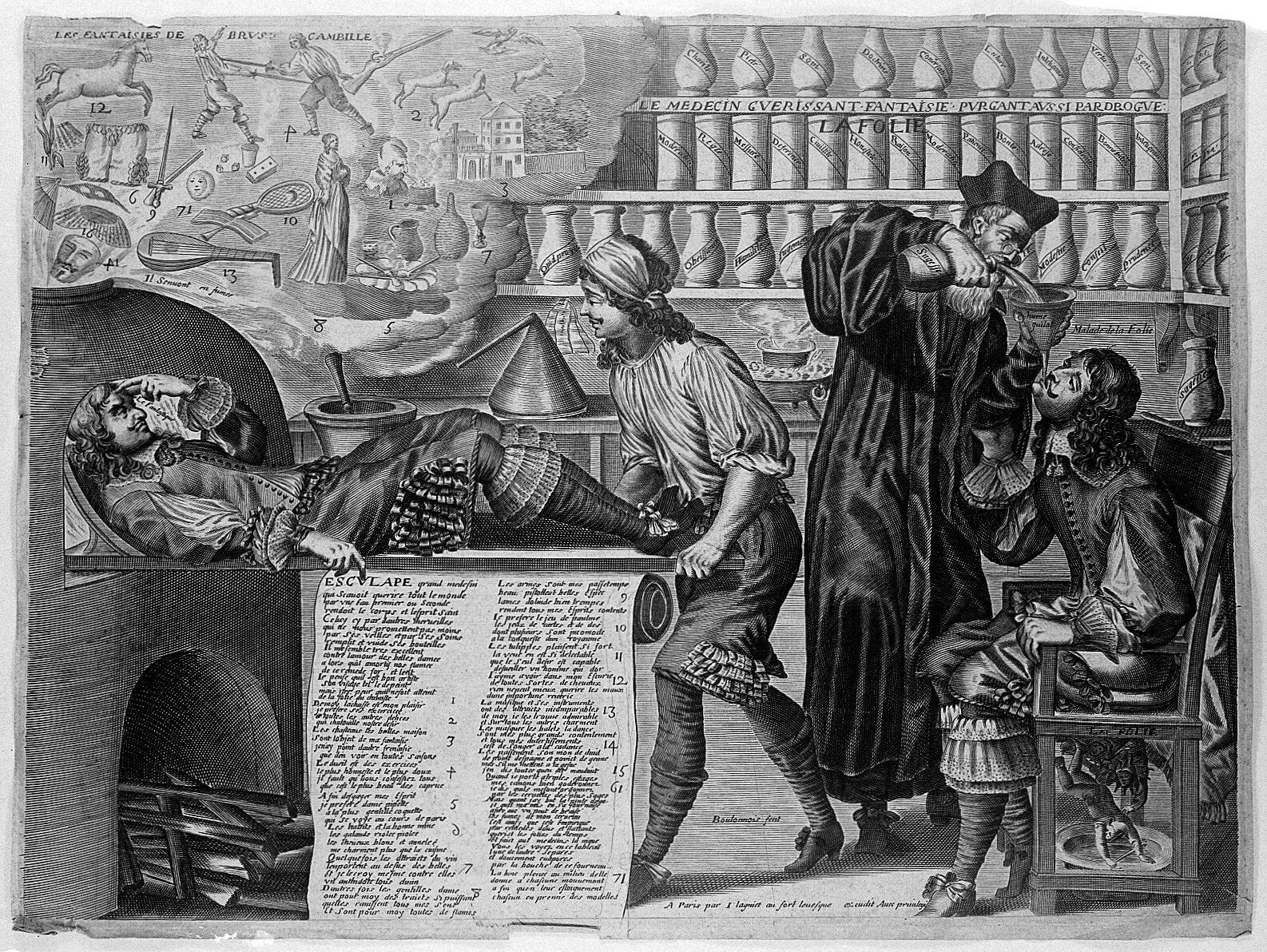
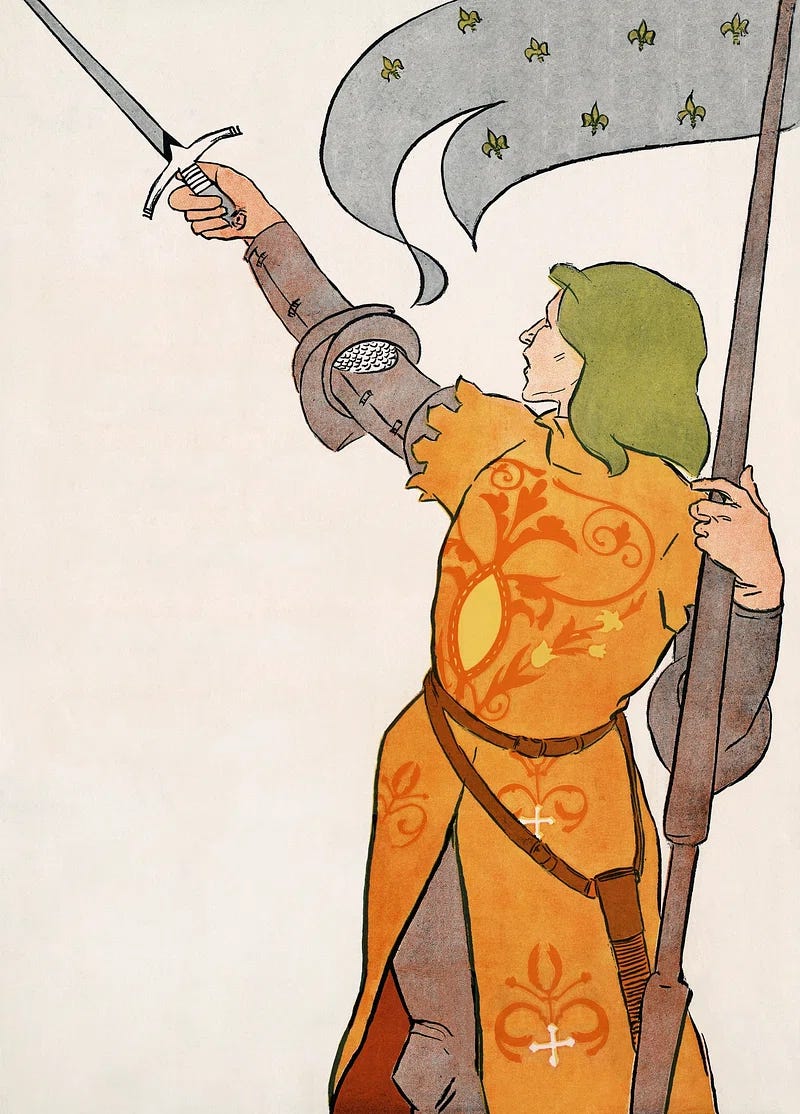
A set of cards designed to capture the dual register of the dynamic. The images and proverbs have been gathered from the public domain. Each card names a mechanism of judgment. Read from one side, they confirm and equip. Read from the other, they isolate and return. Same words. Opposite functions.
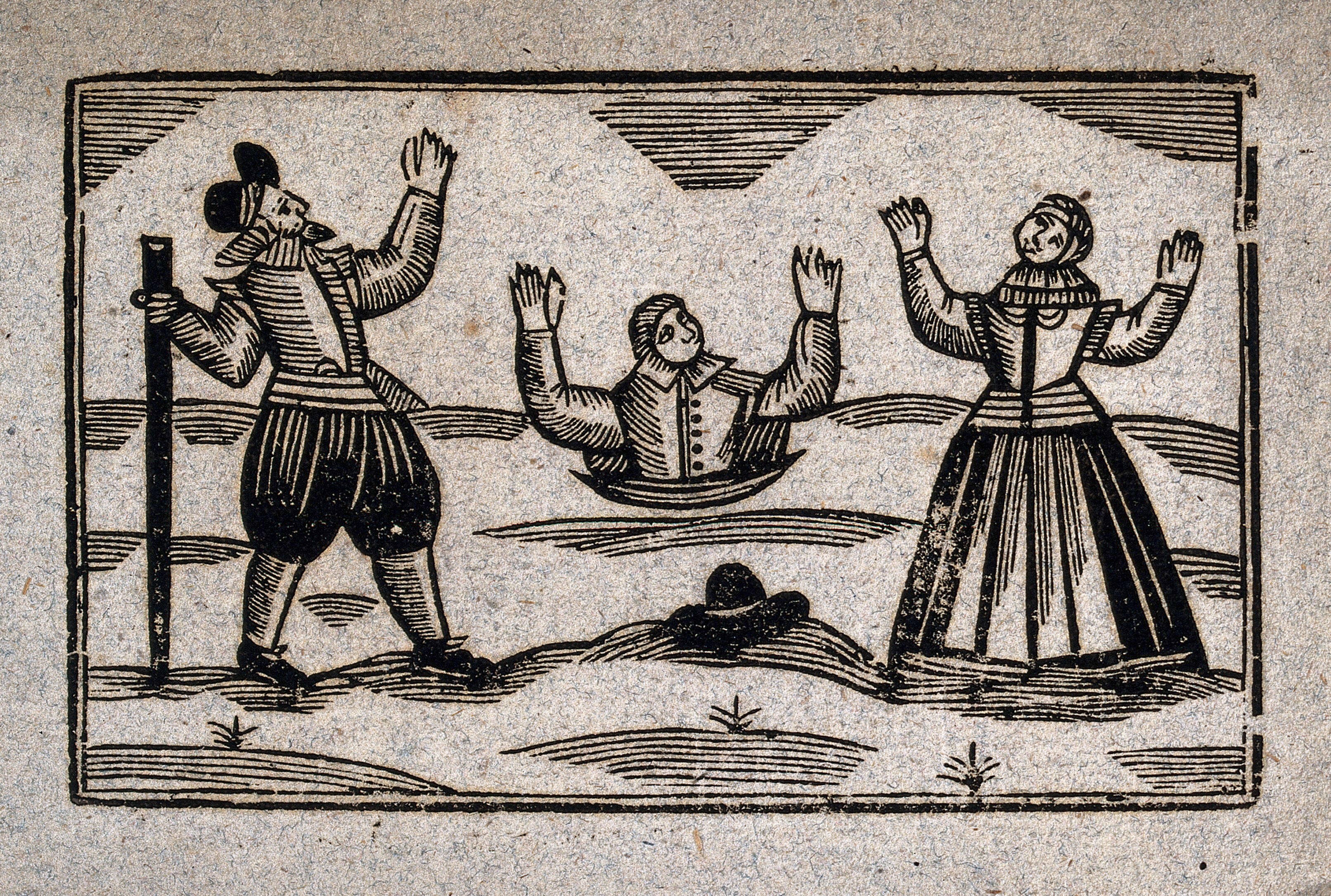
Silence gives consent.
Qui tacet consntire videtur.
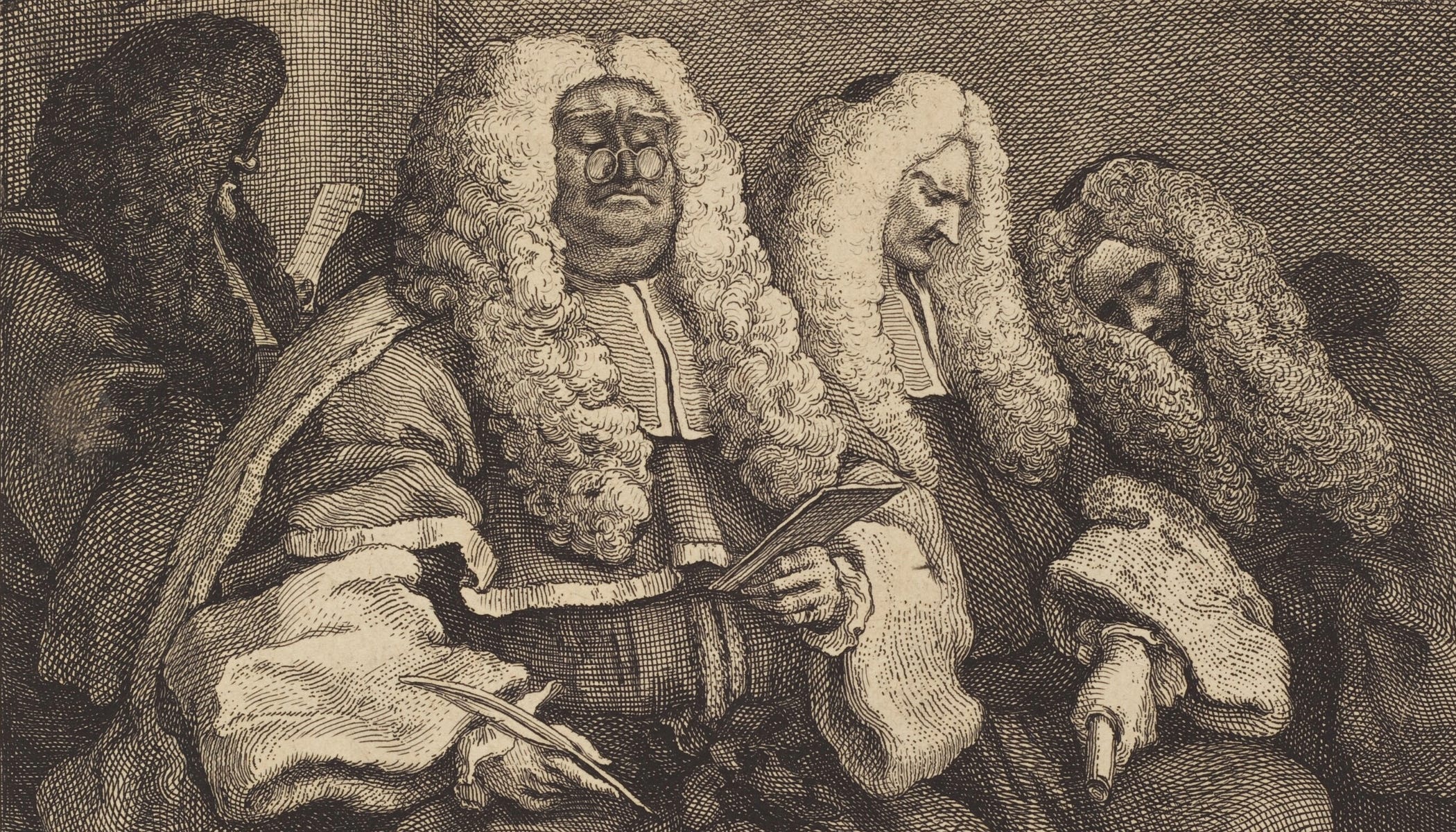
Ignorance of the law excuses no one.
Ignorantia juris non excusat.
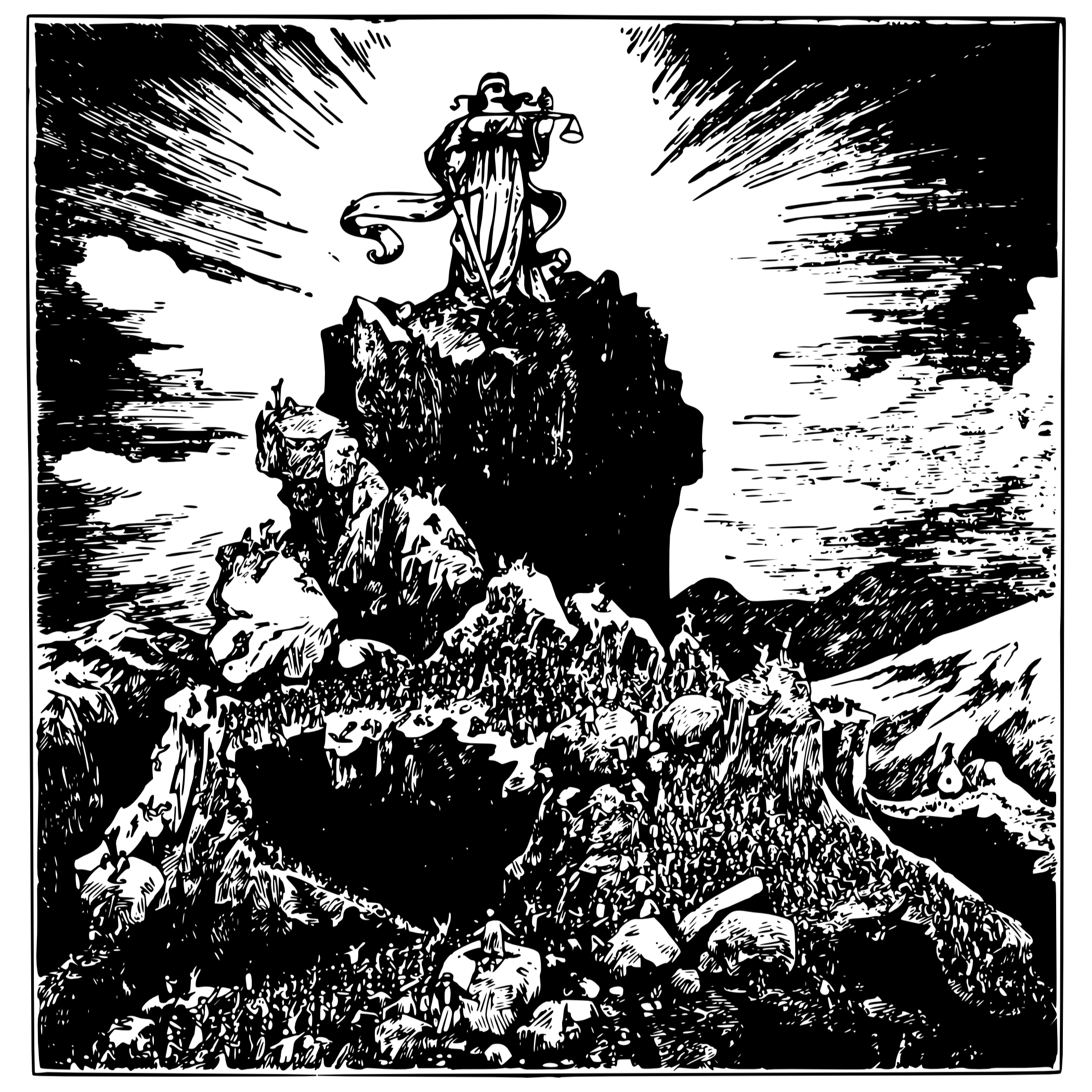
Men are blind in their own cause.
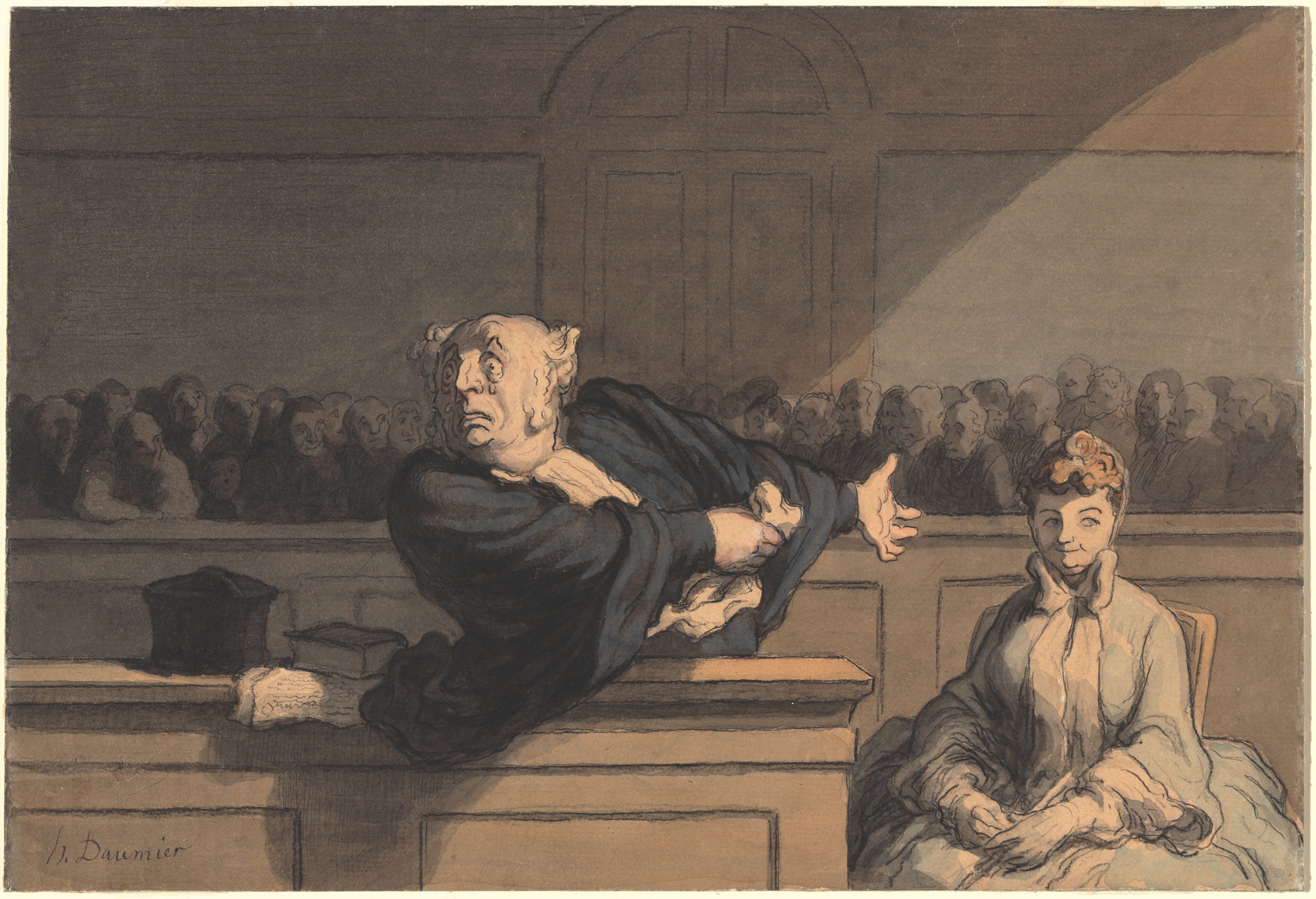
A guilty conscience needs no accuser.
Ignorance is a voluntary misfortune.
There are none so deaf as those unwilling to hear.
The meaning of each card is determined by the direction of the exchange. From the hands of the Positioned, the card confirms the authority already in force and advances the judgment with persuasive, conclusive language. From the hands of the Unpositioned, the same card refuses the ranking and returns the judgmental mechanism without further debate.
Whether the cards are received as intended is as incidental as the speech that transpired in the original unbalanced exchange.
*These cards developed from two earlier pieces that sit on either side of the same asymmetry.
Unpositions is a poem written from inside the open stance. It is a refusal to treat not knowing as a vacancy. A preference to hold questions rather than declare answers.
The Evidence of Conclusion is a constructed decree that describes the closed system itself. Impersonal, ranked, and already complete.
The Closed Case Cards will soon be available for sale at: www.foxandthistle.studio